

CAS 108-01-02-Dimethylaminoethanol Dabco DMEA Jeffcat DMEA
CAS 108-01-0 2-Dimethylaminoethanol Dabco DMEA Jeffcat DMEA
CAS No.108-01-0
Chemical Name:2-Dimethylaminoethanol Synonyms
DMAE;DMEA;DIMETHYLAMINOETHANOL;N,N-DIMETHYLETHANOLAMINE;DIMETHYLETHANOLAMINE;DEANOL;2-(N,N-DIMETHYLAMINO)ETHANOL;N,N-DIMETHYLAMINOETHANOL;DMEOA;DIMETHYL
MEA
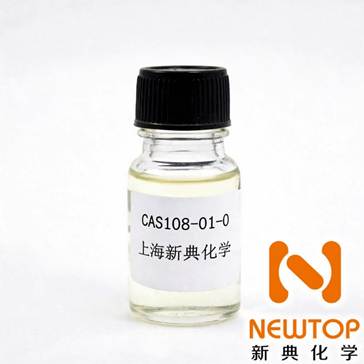
CBNumber:CB6256870
Molecular Formula:C4H11NO
Molecular Weight:89.14
MDL Number:MFCD00002846
Brand Designation / Product Code Table
|
Brand / Manufacturer |
Product Grade / Code |
Notes |
|
Dabco
(Evonik / ex-Air Products) |
Dabco DMEA |
Industry standard naming |
|
Jeffcat
(Huntsman) |
Jeffcat DMEA |
Direct product designation |
|
KAOLIZER
(Kao Corporation) |
KAOLIZER No. 25 |
Kao's numeric amine designation (No.
10 is DMCHA, No. 25 is DMEA) |
|
Lupragen
(BASF) |
Lupragen N101 |
BASF standard designation |
|
Polycat
(Evonik) |
Polycat DMEA |
Direct commodity designation |
|
Tegoamin
(Evonik) |
Tegoamin DMEA |
Evonik flexible/specialty foam catalyst
line |
|
Toyocat
(Tosoh) |
Toyocat-DMA (or Toyocat DMEA) |
Tosoh amine catalyst line |
|
FASCAT
(PMC Organometallics) |
N/A (Not Applicable) |
FASCAT is
exclusively reserved for organometallic catalysts (tin, bismuth, titanium,
etc.), not pure tertiary amines like DMEA. |
|
U-CAT
(San-Apro) |
U-CAT DMEA |
San-Apro organic amine series |
2-Dimethylaminoethanol Properties
Melting point −70 °C(lit.)
Boiling point 134-136 °C(lit.)
Density 0.886
g/mL at 20 °C(lit.)
vapor density 3.03 (vs air)
vapor pressure 100 mm Hg ( 55 °C)
refractive index n20/D 1.4294(lit.)
Flash point 105
°F
storage temp. Store below +30°C.
solubility alcohol:
miscible(lit.)
form Liquid
pka pK1:9.26(+1)
(25°C)
color Clear
colorless to pale yellow
Odor Amine
like
PH Range 10.5
- 11.0 at 100 g/l at 20 °C
PH 10.5-11
(100g/l, H2O, 20℃)
explosive limit 1.4-12.2%(V)
Water Solubility miscible
FreezingPoint -59.0℃
Sensitive Hygroscopic
Merck 14,2843
BRN 1209235
Henry's Law Constant 9.3×101 mol/(m3Pa) at 25℃, Nguyen (2013)
Stability Stable.
Flammable. Incompatible with oxidizing agents, copper, copper alloys, zinc,
acids, galvanised iron. Hygroscopic.
Cosmetics Ingredients Functions BUFFERING
InChI 1S/C4H11NO/c1-5(2)3-4-6/h6H,3-4H2,1-2H3
InChIKey UEEJHVSXFDXPFK-UHFFFAOYSA-N
SMILES CN(C)CCO
LogP -0.55
at 23℃
Substances Added to Food (formerly EAFUS) DIMETHYLETHANOLAMINE
FDA 21 CFR 173.20;
175.105; 175.300
SAFETY
Signal word Danger
Hazard statements H331-H302+H312-H314-H335-H226
Precautionary statements P501-P270-P240-P261-P210-P233-P243-P241-P242-P271-P264-P280-P370+P378-P362+P364-P303+P361+P353-P301+P330+P331-P301+P312+P330-P304+P340+P310-P305+P351+P338+P310-P403+P233-P403+P235-P405
target organs Respiratory system
PPE Faceshields,
Gloves, Goggles, type ABEK (EN14387) respirator filter
Hazard Codes C
Risk Statements 10-20/21/22-34
Safety Statements 25-26-36/37/39-45
RIDADR UN
2051
WGK Germany 1
RTECS KK6125000
Autoignition Temperature 245 °C
TSCA TSCA
listed
HazardClass 8
PackingGroup II
HS Code 29221980
Storage Class 3 - Flammable liquids
Hazard Classifications Acute Tox. 3 Inhalation
Acute Tox. 4 Dermal
Acute Tox. 4 Oral
Eye Dam. 1
Flam. Liq. 3
Skin Corr. 1B
STOT SE 3
Hazardous Substances Data 108-01-0(Hazardous Substances Data)
Toxicity LD50
orally in Rabbit: 2130 mg/kg LD50 dermal Rabbit 1220 mg/kg
REACH Registrations Active
Limited Quantities 1.0 L (0.3 gallons) (liquid) or 1 Kg (2.2 lbs) (solid)
Excepted Quantities Max Inner Pack (30g or 30ml) and Max Outer Pack (500g or 500ml)
2-Dimethylaminoethanol Chemical Properties,Uses,Production
Description
Dimethylaminoethanol is a colorless
liquidwith a pungent odor. Odor threshold: 0.25 ppm. Molecularweight 5 89.16;
Boiling point =133℃; Freezing/Meltingpoint=259℃; Flash point =41℃ (oc); Autoignitiontemperature 5=295℃. Explosive limits: LEL 5=1.6%;UEL 5=11.9%. Hazard Identification
(based on NFPA-704M Rating System): Health 2, Flammability 2, Reactivity
0.Soluble in water.
Chemical Properties
colorless or slightly yellow liquid with
ammonia odor. It is miscible with water, ethanol, benzene, ether and acetone.
Uses
dimethyl MEA (DMAE) is also known as
dimethylaminoethanol. Studies indicate skin-firming properties, and an ability
to reduce the appearance of fine lines and wrinkles as well as dark circles
under the eyes. It is considered anti-aging, and antiinflammatory, and has
exhibited free-radical scavenging activity.
Uses
2-(Dimethylamino)ethanol is used as
corrosion inhibitor, anti-scaling agent, paint additive, coating additive and
solids separation agent. It is also used as an intermediate for active
pharmaceutical ingredients and dyes. It serves as a curing agent for polyurethanes
and epoxy resins. Further, it is used as an additive to boiler water. In
addition to this, it is used therapeutically as a CNS stimulant.
Uses
2-Dimethylaminoethanol (deanol, DMAE) may
be employed as a ligand in the copper-catalyzed amination of aryl bromides and
iodides.
Preparation
The synthesis of 2-Dimethylaminoethanol by
the ethylene oxide method is obtained by the ammonification of dimethylamine
with ethylene oxide, which is distilled, refined and dehydrated.
Definition
ChEBI: N,N-dimethylethanolamine is a
tertiary amine that is ethanolamine having two N-methyl substituents. It has a
role as a curing agent and a radical scavenger. It is a tertiary amine and a
member of ethanolamines.
Production Methods
Synthesis of dimethylaminoethanol can be
accomplished from equimolar amounts of ethylene oxide and dimethylamine (HSDB
1988).
General Description
A clear colorless liquid with a fishlike
odor. Flash point 105°F. Less dense than water. Vapors heavier than air. Toxic
oxides of nitrogen produced during combustion. Used to make other chemicals.
Air & Water Reactions
Flammable. Partially soluble in water and
less dense than water.
Reactivity Profile
DIMETHYLAMINOETHANOL is an aminoalcohol.
Amines are chemical bases. They neutralize acids to form salts plus water.
These acid-base reactions are exothermic. The amount of heat that is evolved
per mole of amine in a neutralization is largely independent of the strength of
the amine as a base. Amines may be incompatible with isocyanates, halogenated
organics, peroxides, phenols (acidic), epoxides, anhydrides, and acid halides.
Flammable gaseous hydrogen is generated by amines in combination with strong reducing
agents, such as hydrides. N,N-Dimethylethanolamine may react vigorously with
oxidizing materials.
Health Hazard
Dimethylaminoethanol is classified as a
mild skin irritant and a severe eye irritant (HSDB 1988). Doses as high as 1200
mg daily produce no serious side effects and a single dose of 2500 mg taken in
a suicide attempt had no adverse effects (Gosselin et al 1976). Inhalation of
the vapor or mist can cause irritation to the upper respiratory tract.
Asthmatic symptoms have been reported. Extremely irritating; may cause
permanent eye injury. Corrosive; will cause severe skin damage with burns and
blistering. Ingestion may cause damage to the mucous membranes and
gastrointestinal tract. No reports were found in the literature regarding
carcinogenic or mutagenic potential.
Flammability and Explosibility
Flammable
Industrial uses
Dimethylaminoethanol is used as a chemical
intermediate for antihistamines and local anesthetics; as a catalyst for curing
epoxy resins and polyurethanes; and as a pH control agent for boiler water
treatment. However, dimethylaminoethanol in the salt form, (i.e.
dimethylaminoethanol acetamidobenzoate) is primarily utilized therapeutically
as an antidepressant (HSDB 1988).
Safety Profile
Moderately toxic by ingestion, inhalation,
skin contact, intraperitoneal, and subcutaneous routes. A skin and severe eye
irritant. Used medically as a central nervous system stimulant. Flammable
liquid when exposed to heat or flame; can react vigorously with oxidzing
materials. Ignites spontaneously in contact with cellulose nitrate of high
surface area. To fight fire, use alcohol foam, foam, CO2, dry chemical. When
heated to decomposition it emits toxic fumes of NOx
Potential Exposure
PrimaryIrritant. Dimethylaminoethanol is
used as a corrosion inhibitor; pharmaceutical intermediate; in making
dyestuffs, textiles, pharmaceuticals; emulsifiers in paints and coatings.Also,
it has been used as a medication in the treatment ofbehavioral problems of
children.
First aid
If this chemical gets into the eyes, remove anycontact lenses at once and irrigate immediately for at least15 min, occasionally lifting upper and lower lids. Seek medical attention immediately. If this chemical contacts theskin, remove contaminated clothing and wash immediatelywith soap and water. Seek medical attention immediately. Ifthis chemical has been inhaled, remove from exposure,begin rescue breathing (using universal precautions, including resuscitation mask) if breathing has stopped and CPR ifheart action has stopped. Transfer promptly to a medicalfacility. When this chemical has been swallowed, get medical attention. If victim is conscious, administer water ormilk. Do not induce vomiting. Medical observation isrecommended for 24<!--[if !supportFootnotes]-->
<!--[endif]-->48 h after breathing overexposure, aspulmonary edema may be
delayed. As first aid for pulmonary edema, a doctor or authorized paramedic
mayconsider administering a corticosteroid spray.
Metabolism
When administered orally,
dimethylaminoethanol acetamidobenzoate (the therapeutic salt formulation) has
been shown to cross the blood-brain barrier (HSDB 1988). Two other studies have
examined the pharmacokinetics of dimethylaminoethanol in rats (Dormand et al
1975) and healthy adults (Bismut et al 1986).
It has been postulated that
dimethylaminoethanol undergoes endogenous methylation (LaDu et al 1971). After
intravenous treatment of mice with [14C]-labeled dimethylaminoethanol in the
brain, dimethylaminoethanol yielded phosphoryldimethylaminoethanol and
phosphatidyldimethylaminoethanol. Acid-soluble and lipid cholines derived from
dimethylaminoethanol also were found in brain (Miyazaki et al 1976). While
examining the pharmacokinetics of the maleate acid of
[14C]-dimethylaminoethanol in rats, Dormand et al (1975) observed that
dimethylaminoethanol was metabolized in the phospholipid cycle and produced
metabolites such as phosphoryldimethylaminoethanolamine, and
glycerophosphatidylcholine. In kainic-acid lesioned rats, dimethylaminoethanol
was converted to a substance which cross-reacted in the radioenzymatic assay
for acetylcholine (London et al 1978). Ansell and Spanner (1979) demonstrated
that [14C]-dimethylaminoethanol rapidly disappeared from brain; after 0.5, 1,
and 7 h, only 30, 27, and 16% of the administered radioactivity, respectively,
remained in the brain after intracerebral injection. They also showed that
brain levels of phosphodimethylaminoethanol increased to a maximum at 1-2 h and
decreased afterwards, whereas concentrations of phosphatidylethanolamine
increased continuously throughout the 7 h observation period. This study
further found that after i.p. injections of labeled dimethylaminoethanol, the
brain content of phosphatidylethanolamine increased through the 7 h period and
the levels were 10-40 fold higher than those of phosphodimethylaminoethanol.
Shipping
Label of “CORROSIVE, FLAMMABLELIQUID.” It
falls in Hazard Class 8. Packing Group II.Spill Handling: Evacuate and restrict
persons not wearingprotective equipment from area of spill or leak until
cleanupis complete. Remove all ignition sources. Establish forcedventilation to
keep levels below explosive limit. Absorbliquids in vermiculite, dry sand,
earth, peat, carbon, or asimilar material and deposit in sealed containers.
Keep thischemical out of a confined space, such as a sewer, becauseof the
possibility of an explosion, unless the sewer isdesigned to prevent the buildup
of explosive concentrations.It may be necessary to contain and dispose of this
chemicalas a hazardous waste. If material or contaminated runoffenters
waterways, notify downstream users of potentiallycontaminated waters. Contact
your local or federal environmental protection agency for specific
recommendations. Ifemployees are required to clean up spills, they must
beproperly trained and equipped. OSHA 1910.120(q) may beapplicable.
Purification Methods
Dry the amine with anhydrous K2CO3 or KOH,
and fractionally distil it. [Beilstein 4 IV 1424.]
Incompatibilities
Forms explosive mixture with air.Violent
reaction with oxidizers, strong acids, acid chlorides,and isocyanates. Attacks
copper and its alloys, galvanizedsteel, zinc and its alloys.
Toxics Screening Level
The initial threshold screening level
(ITSL) for dimethylethanolamine (CAS #108-01-0) is 5.2 μg/m3 with an annual
averaging time and a second ITSL for dimethylethanolamine is 220 μg/m3 with an
8-hour averaging time.
2-Dimethylaminoethanol Preparation Products And Raw materials
Raw materials
ETHYLENE OXIDE 2-Chloroethanol Dimethylamine
Preparation Products
5-Fluoro-2-picolinic acid
PROPIONYLTHIOCHOLINE IODIDE 1-[6-(Trifluoromethyl)pyridin-2-yl]piperazine
polyurethane adhesive 691 Acetylthiocholine iodide 2-Dimethylaminoethyl
chloride hydrochloride 4-(2-(DIMETHYLAMINO)ETHOXY)-3,5-DICHLOROBENZENAMINE
2-DIMETHYLAMINOETHANETHIOL HYDROCHLORIDE 2-Chloro-6-trifluoromethylnicotinic
acid N,N-Dimethylethylenediamine DOWEX(R) 1X8 S-Butyrylthiocholine Iodide
1-(2-DIMETHYLAMINOETHYL)PIPERAZINE 2-Trifluoromethyl-6-pyridinecarboxylic acid
N,N-Dimethyltryptamine Meclofenoxate hydrochloride 2-(Dimethylamino)ethyl
(4-chlorphenoxy)acetate 2-bromoethyldimethylamine 2-Chloro-3,6-dimethylpyridine
Business and technology
contact: sales@newtopchem.com